Loading...
Serving Torrance, CA and surrounding areas. (424) 318-3154
Cold floors, humidity from the coastal marine layer, and energy loss through an uninsulated basement are fixable problems. We assess the space, address moisture first, and install the right material so the results hold for the long term.
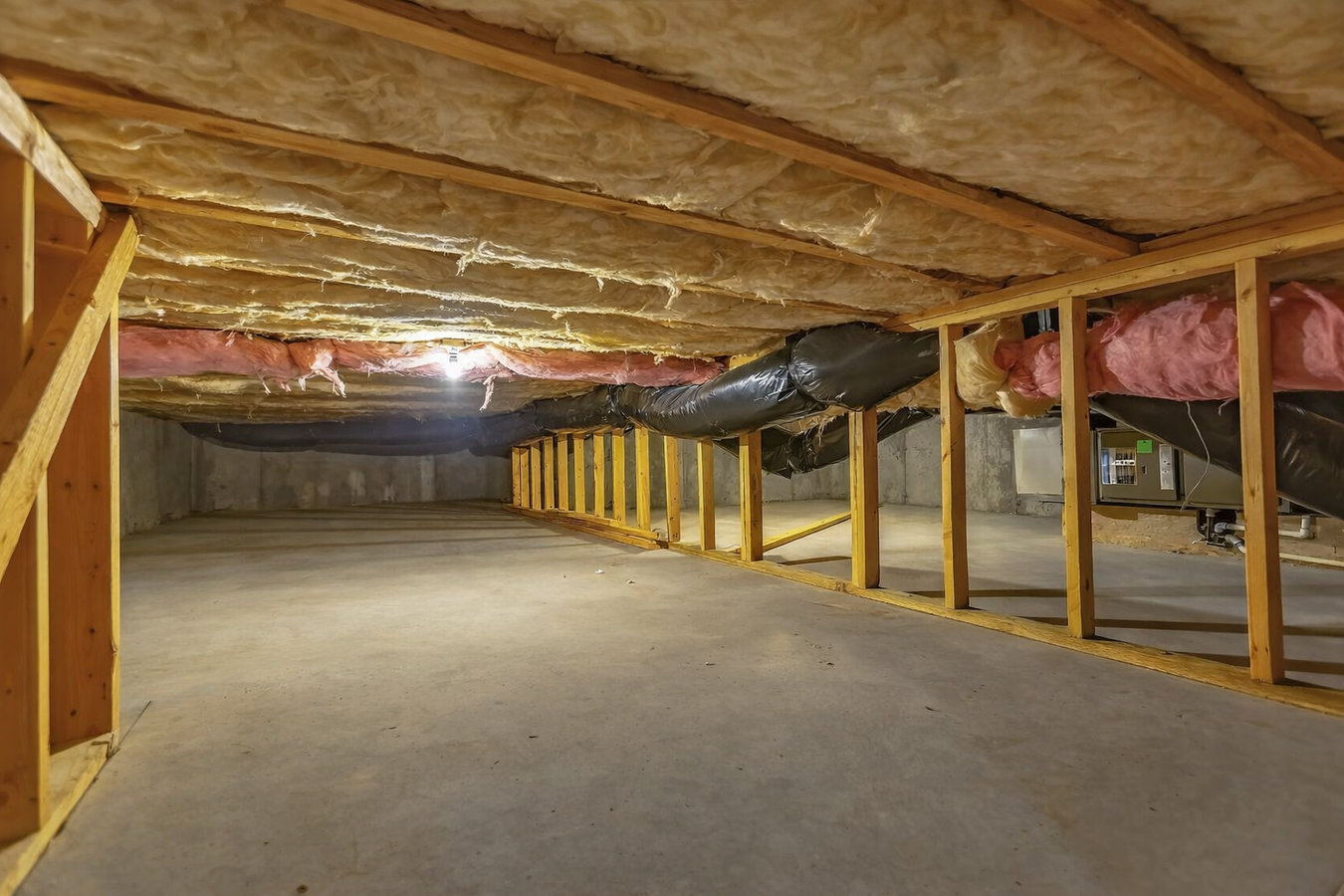
Basement insulation in Torrance slows heat movement between your basement and the rest of the home, stabilizes temperatures, and helps keep moisture from condensing on cold surfaces. Most jobs involve either insulating the basement walls or the subfloor above, and the right choice depends on how the space is used - most projects take one to two days from start to finish.
Most Torrance homes were built between the 1940s and 1970s, when insulation requirements were minimal or nonexistent. If your home is in that range and the basement has never been assessed, there is a reasonable chance very little is there. Torrance's coastal proximity also means basements here see more humidity than inland homes - which makes the moisture control side of this work just as important as the thermal performance. If your home also has a crawl space, our crawl space insulation service addresses that space with the same approach.
The U.S. Department of Energy notes that basement insulation can reduce heat loss significantly in homes where the basement is currently uninsulated - and that the comfort benefits, particularly warmer floors, are often felt immediately after installation.
If the floors on your first level feel noticeably cold underfoot even after the heater has been running, heat is likely escaping through an uninsulated basement ceiling below. This is one of the most common complaints in older Torrance homes built before modern insulation standards. It is a comfort issue you can feel every single day.
A persistent musty odor or moisture beading on walls and pipes signals that humid air is moving through the basement unchecked. Torrance's proximity to the Pacific means higher ambient humidity than inland communities, especially during the marine layer months. Left unaddressed, that moisture creates conditions that allow mold to develop.
Torrance's coastal weather is mild, so if your utility bills feel disproportionately high for the climate, an uninsulated basement may be part of the reason. Heat loss through the basement floor and walls forces your heating and cooling system to work harder than it needs to - and that quiet, steady loss shows up on your bill every month.
Homes built in Torrance during the postwar boom - the 1940s through 1970s - were typically constructed with little or no basement insulation. If you have lived in the home for years without ever having a contractor assess the basement, the odds are good that very little is there. A quick visual inspection often confirms it immediately.
We insulate basement walls, subfloors, and rim joists using the material best suited to each situation. For concrete walls with any moisture exposure - common in older South Bay homes - rigid foam board or closed-cell foam insulation performs better than fiberglass because those materials do not absorb water. For framed interior walls where moisture is not an issue, fiberglass batts remain a cost-effective option.
Every job starts with an air sealing step - closing gaps around pipes, wires, and joints before any insulation material goes in. Skipping that step is the most common reason insulation underperforms. We also coordinate with homeowners on vapor barrier work when the assessment reveals moisture that needs to be managed before insulation is installed. If your home has a neighboring crawl space that also needs attention, we can address both spaces in a single project.
Best for finished or heated basement spaces where you want to include the area in your home's conditioned envelope.
Suited for unheated storage basements where insulating the floor above keeps the living space above warmer.
Ideal for concrete walls with any moisture exposure - foam board resists water and adds a moisture barrier in one step.
The strongest seal for tight areas, pipes, and rim joists - closes gaps and insulates in a single application.
Torrance sits within the South Bay coastal zone, where the marine layer brings real humidity into homes almost every morning - especially from May through July. That moisture works its way into uninsulated basement walls and subfloors over time, and in older homes it can quietly cause damage that is not visible until it is already expensive to fix. The right insulation - paired with a vapor barrier when needed - stabilizes the basement environment and stops that process before it starts. Homeowners in Redondo Beach and Hermosa Beach face the same coastal moisture conditions and benefit from the same approach.
The postwar housing stock that defines most Torrance neighborhoods was built to standards that are now decades out of date. Homes constructed in the 1950s and 1960s rarely had any meaningful basement insulation, and what was installed in later decades has often settled, compressed, or been compromised by moisture over the years. California's energy efficiency standards have also tightened considerably, meaning a permitted upgrade today must meet requirements that were not in place when most of these homes were built. Bringing the basement up to current standards protects your home's value and gives you documentation that matters at resale.
We ask about the size of the space, whether it is finished or unfinished, and any moisture you have noticed. This lets us arrive prepared and give you a realistic estimate window. We respond within 1 business day.
We walk the basement, check for existing insulation, moisture signs, and any gaps around pipes or wires that need sealing before insulation goes in. You receive a written estimate that covers scope, materials, and cost - no verbal-only quotes.
The crew closes gaps around penetrations first, then installs the agreed material. Most standard jobs take one to two days, and the work is contained to the basement so the rest of your home is unaffected.
Before leaving, we walk you through what was done and where, confirm the space is ready to use, and review any rebate paperwork available through Southern California Edison or SoCalGas that you can submit for savings.
We respond within 1 business day. No obligation, no pressure - just a straight answer about what your basement needs and what it will cost.
(424) 318-3154We have insulated basements in Torrance and throughout the South Bay since 2017, including in the older postwar neighborhoods where moisture issues and missing insulation are most common. We know what to expect before we open the door.
Insulating over a damp surface is one of the most common reasons basement insulation fails. We check for water intrusion and condensation patterns first and recommend vapor control work when it is needed - protecting your investment, not just completing the job.
Southern California Edison and SoCalGas serve Torrance and offer rebates for qualifying insulation upgrades. We know which programs are currently active and help you with the application so you do not miss savings that are sitting there.
You get an itemized written estimate before any work starts and a record of what was installed and where. That documentation matters if you sell the home - buyers and their inspectors want to see proof, not promises.
We have been doing this work in Torrance since 2017, and our approach does not change based on the size of the job: assess first, address moisture when it is there, install properly, and document everything. Every job starts with a free written estimate so you know the scope and cost before any work begins.
Closed-cell spray foam is the most moisture-resistant option for basement walls and rim joists in coastal homes.
Learn MoreAddress the space below your home that shares the same moisture challenges as a basement in the South Bay.
Learn MoreSouthern California Edison and SoCalGas rebates are available now - acting this season gives you the best chance of locking in current incentive amounts before they change.